

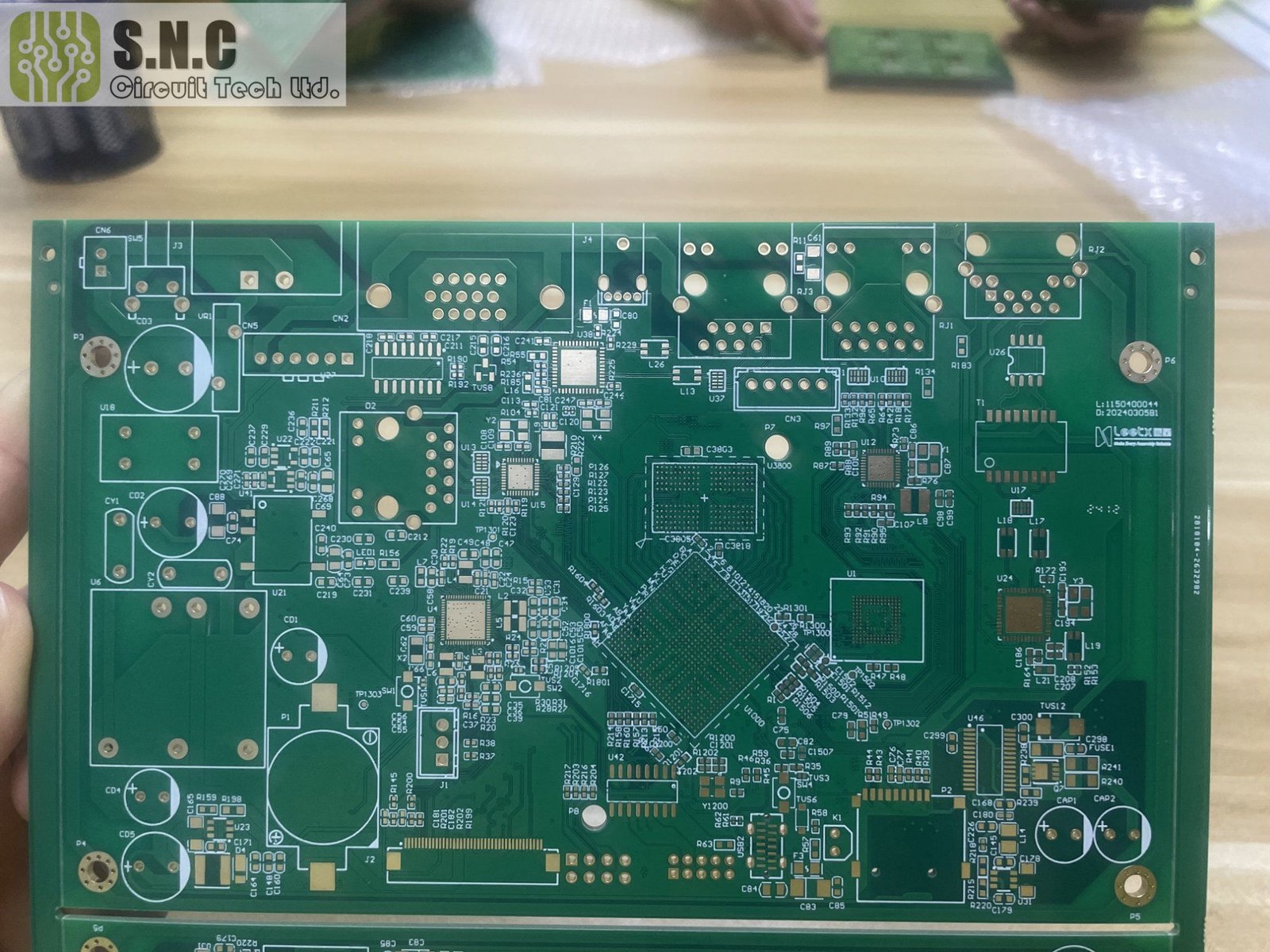
The main components of a PCB include:
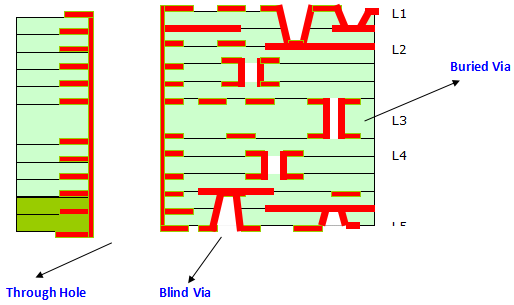
1. Substrate: The main body of the PCB and the foundation for circuit fabrication. It is typically made of fiberglass cloth (FR-4), but polyimide (PI) is also sometimes used. It has two sides: one is a copper layer, and the other side is an overcoat.
2. Conductors: An important component of the PCB. Copper foil is etched into the required conductor shapes to connect to the electronic components of the device.
3. Pads: Metal sheets used for soldering, primarily serving as bridges between electronic components and the PCB.
4. Connector Plates: Stabilizing solder joints on the PCB, connecting circuit boards and electronic components, contributing to the connection between electronic components and the PCB, as well as between circuit boards.
5. Printed Ink Layer: Ink with special chemical composition, covering the PCB for marking and protecting the metal surface, preventing corrosion of the PCB where lighting is not required.
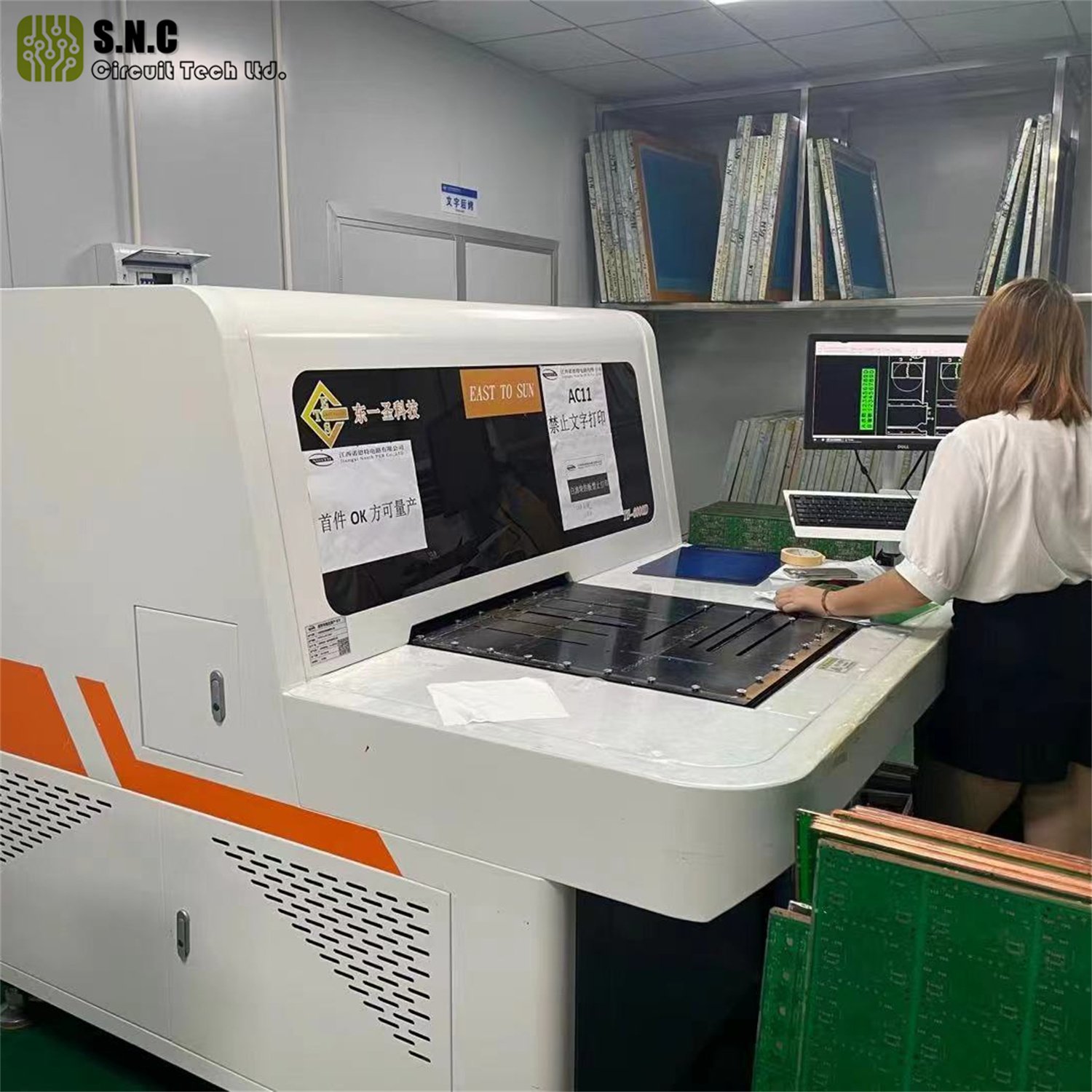
Throughout the PCB manufacturing process, these components work together to connect the ports and functional points of electronic devices.
 Circuit Board Basics
 Why do we need PCBs?
 Basic Components of a PCB
 List of Documents Required for